Why Regular Inspections Are Essential for Effective Property Management
by rcpmanagemedev, July, 15 2026
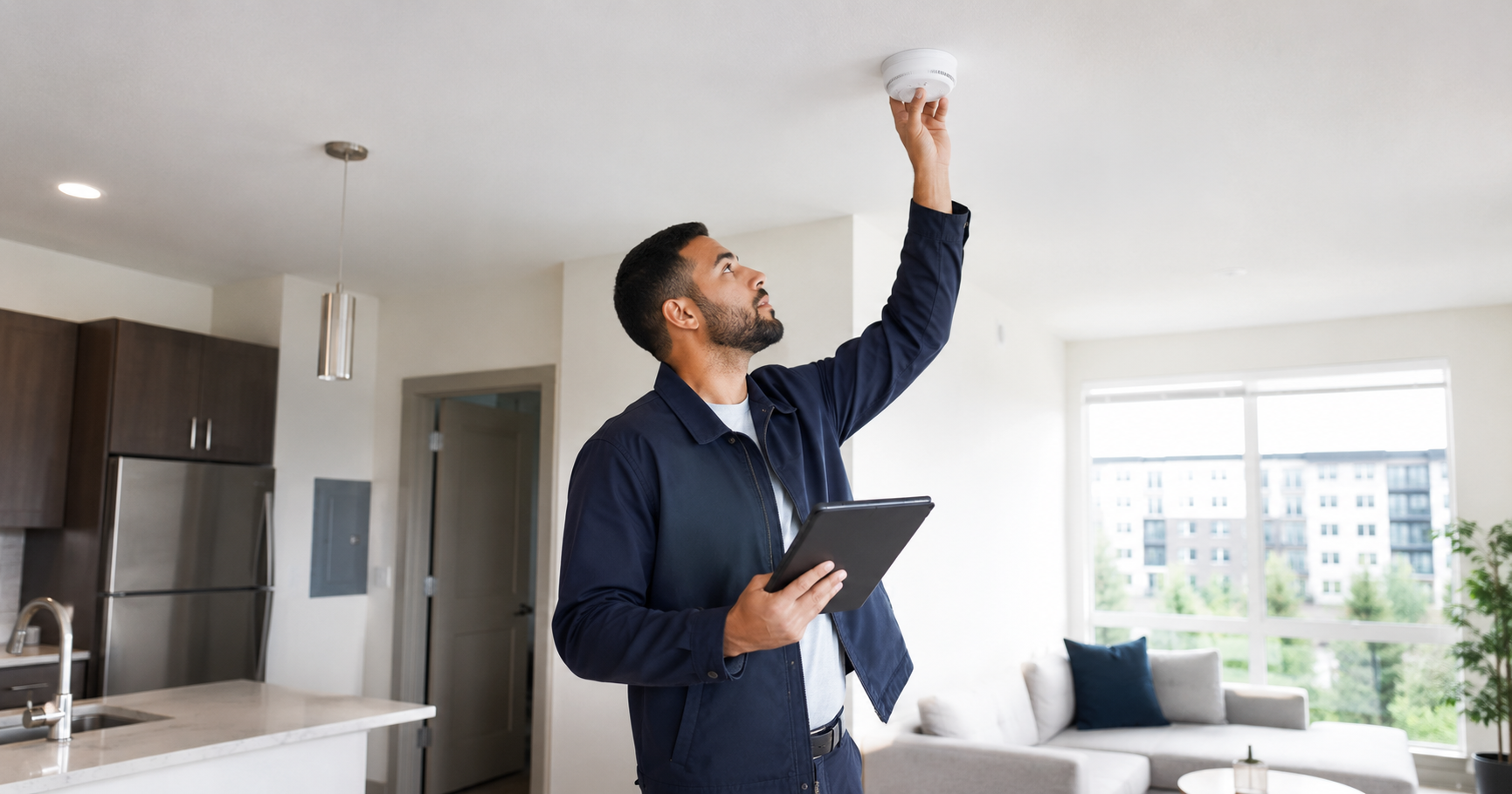
Managing a property successfully involves much more than collecting rent and handling occasional maintenance requests. Property owners and managers must take proactive steps to protect their investment, maintain tenant satisfaction, and ensure the property remains in excellent condition. One of the most effective ways to accomplish these goals is through regular property inspections. Routine inspections help identify problems early, improve communication with tenants, and reduce the likelihood of costly repairs. Whether managing residential homes, apartment buildings, or commercial spaces, regular inspections play a critical role in effective property management and long-term success.
Identifying Maintenance Issues Early
One of the biggest advantages of regular property inspections is the ability to detect maintenance problems before they become serious. Small issues such as plumbing leaks, cracked caulking, roof damage, or electrical concerns can quickly turn into expensive repairs if left unnoticed.
Routine inspections allow property managers to catch these issues early and schedule repairs before significant damage occurs. Preventative maintenance not only saves money but also helps preserve the overall condition and value of the property. Addressing small concerns promptly reduces the risk of larger structural problems and unexpected emergency repairs.
Protecting Property Value
Real estate is a major financial investment, and maintaining its value requires consistent care and attention. Regular inspections help ensure that both the interior and exterior of the property remain well-maintained over time.
Inspectors can evaluate wear and tear, landscaping conditions, roofing materials, appliances, and structural components to identify areas that need attention. Keeping the property in excellent shape improves curb appeal, extends the lifespan of building systems, and protects long-term resale value. A well-maintained property is more attractive to tenants and potential buyers alike.
Improving Tenant Satisfaction
Tenants appreciate living in properties that are safe, clean, and properly maintained. Regular inspections demonstrate that property owners and managers care about the condition of the property and the comfort of residents.
During inspections, tenants have an opportunity to report concerns that may not have been formally submitted through maintenance requests. This open communication helps build trust and encourages positive landlord-tenant relationships. When tenants feel heard and supported, they are more likely to renew leases and take better care of the property.
Ensuring Lease Compliance
Property inspections also help ensure tenants are following the terms of their lease agreements. Managers can verify that residents are maintaining the property properly, following occupancy limits, and adhering to rules regarding pets, smoking, or unauthorized alterations.
Addressing lease violations early helps prevent larger problems from developing later. Regular inspections create accountability while protecting the property from avoidable damage or misuse. Clear communication and proper documentation during inspections also help reduce misunderstandings between landlords and tenants.
Enhancing Safety and Security
Safety should always be a top priority in property management. Routine inspections help identify hazards that could put tenants or visitors at risk. Property managers can check smoke detectors, carbon monoxide detectors, fire extinguishers, stairways, handrails, lighting, and security systems to ensure everything is functioning properly.
Identifying safety concerns early reduces liability risks and helps properties remain compliant with local building codes and regulations. Safe living environments not only protect tenants but also strengthen the reputation of the property management company or owner.
Reducing Long-Term Repair Costs
Deferred maintenance often leads to larger and more expensive repairs over time. Regular inspections allow property managers to create a proactive maintenance plan rather than constantly reacting to emergencies.
For example, noticing early signs of roof deterioration may allow for minor repairs instead of a full roof replacement later. Similarly, detecting a small plumbing leak can prevent extensive water damage and mold remediation costs. Investing in routine inspections ultimately saves property owners money by reducing unexpected repair expenses.
Preventing Pest Infestations
Pests can cause serious damage to properties and create unhealthy living conditions for tenants. Regular inspections help identify early signs of infestations involving rodents, termites, ants, or other pests before the problem spreads.
Inspectors can look for entry points, moisture issues, food sources, and structural vulnerabilities that attract pests. Prompt pest control measures help maintain a healthier environment while preventing damage to walls, flooring, insulation, and wiring. Preventative action is far more effective and affordable than dealing with a major infestation later.
Supporting Better Financial Planning
Routine inspections provide valuable information that helps property owners plan financially for future maintenance and improvements. By identifying aging systems or upcoming repair needs, property managers can budget more accurately and avoid unexpected financial strain.
For instance, inspections may reveal that an HVAC system is nearing the end of its lifespan or that exterior paint will need attention within the next year. Having this information in advance allows owners to prepare for expenses gradually rather than facing sudden emergency costs.
Documenting Property Condition
Detailed inspection reports provide important documentation of the property’s condition over time. Photos, written notes, and maintenance records create a clear history that can be useful for insurance claims, legal matters, or tenant disputes.
Move-in and move-out inspections are especially important because they help establish responsibility for damages. Thorough documentation protects both property owners and tenants by creating transparency and reducing disagreements regarding property conditions.
Encouraging Preventative Maintenance
Preventative maintenance is one of the cornerstones of effective property management, and inspections are essential to that process. Rather than waiting for systems to fail, property managers can schedule maintenance tasks based on inspection findings.
Regular servicing of HVAC systems, plumbing fixtures, electrical components, roofing, and appliances helps extend their lifespan and improve efficiency. Preventative care reduces the likelihood of unexpected breakdowns while improving tenant comfort and satisfaction.
Strengthening Professional Property Management Practices
Consistent inspections reflect a professional and organized approach to property management. They show tenants, property owners, and vendors that the property is being actively monitored and properly maintained.
Professional inspections also help property managers stay informed about the condition of every unit and common area under their supervision. This level of oversight improves decision-making, streamlines maintenance planning, and contributes to smoother overall operations.
Final Thoughts
Regular inspections are one of the most valuable tools in effective property management. They help identify maintenance concerns early, protect property value, improve tenant satisfaction, and reduce costly repairs. Inspections also support safety, lease compliance, financial planning, and preventative maintenance efforts. By taking a proactive approach to property care, owners and managers can create safer, more attractive living environments while maximizing the long-term success of their investment. Consistent inspections not only preserve the property itself but also strengthen relationships with tenants and contribute to a more efficient and profitable property management experience.