Why Emergency Preparedness Is Critical for Community Associations
by rcpmanagemedev, October, 15 2026
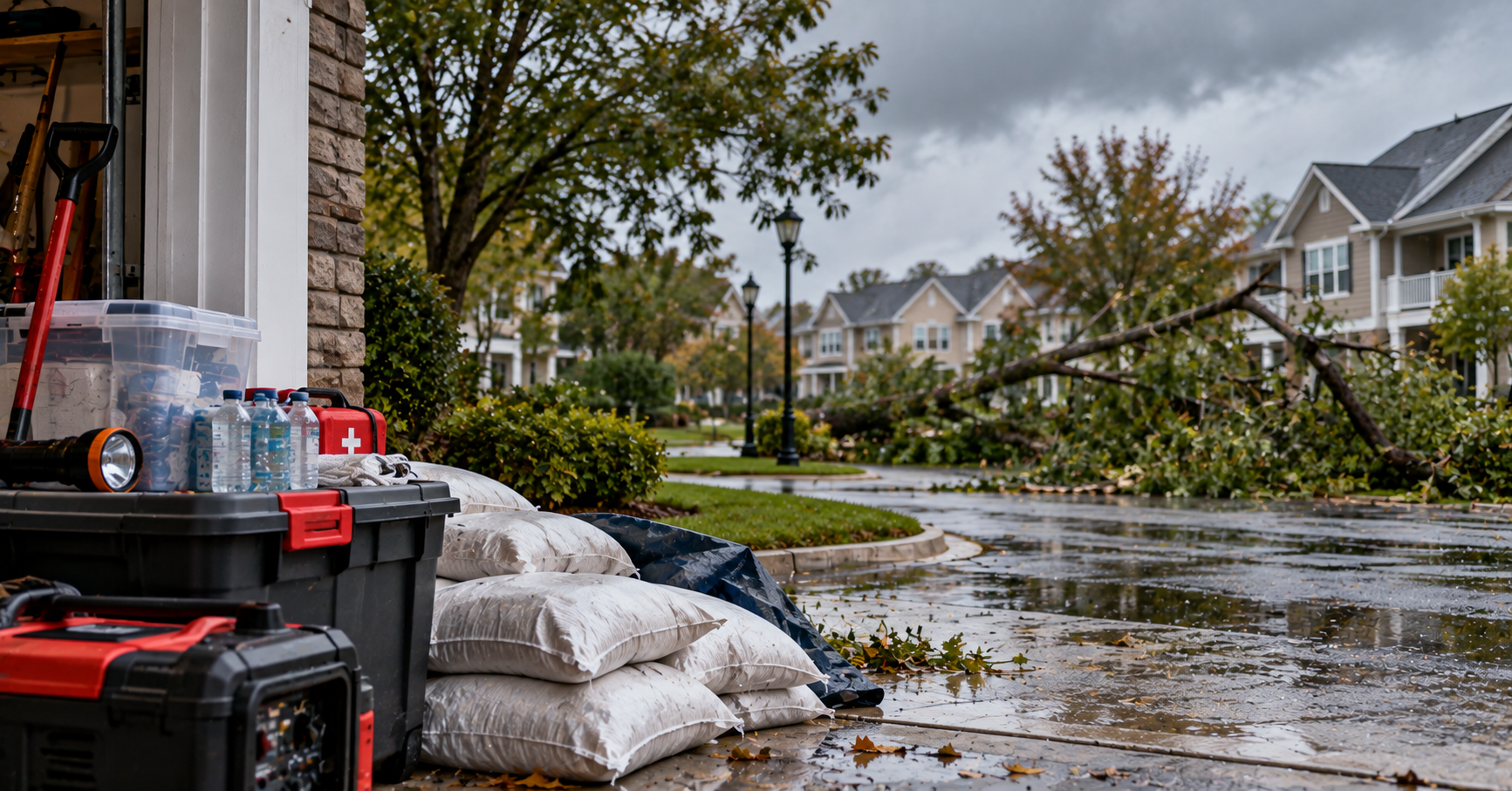
Community associations are responsible for managing shared spaces, supporting residents, and maintaining the safety and quality of life within neighborhoods and residential communities. While routine maintenance and daily operations are important, being prepared for unexpected emergencies is equally essential. Severe weather, power outages, infrastructure failures, security concerns, and other unforeseen events can disrupt a community quickly. A strong emergency preparedness plan helps community associations respond effectively, protect residents, reduce property damage, and restore normal operations as efficiently as possible.
Protect Residents and Community Members
The primary goal of emergency preparedness is to protect the people who live within the community. Community associations often include residents of different ages and abilities who may require additional support during emergencies. Having clear procedures for communication, evacuation, and assistance helps ensure that everyone understands what to do when a crisis occurs. Preparedness creates a safer environment and allows residents to respond with greater confidence.
Reduce Property Damage and Financial Losses
Emergencies can cause significant damage to shared facilities, landscaping, buildings, and community infrastructure. A proactive emergency plan helps associations identify potential risks and take preventative measures before problems occur. Preparing for storms, flooding, fires, or equipment failures can reduce repair costs and minimize disruptions. Early action often prevents small issues from becoming larger and more expensive problems.
Develop a Clear Emergency Response Plan
A comprehensive emergency response plan provides a structured approach for handling unexpected situations. The plan should outline responsibilities, communication procedures, emergency contacts, evacuation routes, and steps for addressing different types of incidents. By establishing these procedures in advance, community leaders and residents can avoid confusion and make faster decisions during stressful situations.
Prepare for Severe Weather Events
Many communities face weather-related risks such as hurricanes, tornadoes, heavy storms, extreme temperatures, or flooding. Emergency preparedness allows community associations to take steps before severe weather arrives, including securing common areas, inspecting drainage systems, protecting equipment, and communicating safety instructions. Proper preparation helps minimize damage and supports a faster recovery after the event.
Maintain Reliable Communication Systems
Effective communication is one of the most important parts of emergency response. Community associations should have reliable methods for sharing important information with residents, including emails, text alerts, community websites, phone notifications, and posted announcements. Clear communication ensures residents receive timely updates about safety instructions, closures, repairs, and recovery efforts.
Establish Relationships with Local Resources
Community associations benefit from building relationships with local emergency services, contractors, utility providers, and other support organizations. Having established contacts allows associations to quickly access assistance when needed. These partnerships can help speed up repairs, provide emergency guidance, and improve coordination during larger incidents affecting the community.
Protect Common Areas and Shared Facilities
Community associations are responsible for maintaining shared amenities such as clubhouses, pools, recreation areas, parking facilities, and landscaping. Emergency preparedness includes plans for protecting these spaces before and after a crisis. Regular inspections, maintenance schedules, and emergency procedures help preserve community assets and reduce the impact of unexpected events.
Create Evacuation and Safety Procedures
Some emergencies require residents to leave their homes quickly and safely. Community associations should establish evacuation procedures that identify exit routes, gathering areas, and important safety instructions. Posting this information in advance helps residents understand how to respond during urgent situations. Clear procedures are especially important in larger communities where coordination can be more challenging.
Prepare for Power Outages and Utility Failures
Power outages and utility disruptions can affect daily life and create safety concerns. Community associations should consider how to manage situations involving electricity, water, internet services, and other essential utilities. Emergency plans may include backup power options, communication strategies, and procedures for addressing problems with shared systems. Preparing for these disruptions helps maintain community functionality during difficult circumstances.
Support Vulnerable Residents
Emergency planning should consider the needs of residents who may require additional assistance. Older adults, individuals with disabilities, and residents with medical concerns may face greater challenges during emergencies. Community associations can encourage residents to participate in voluntary assistance programs or provide information about available resources. Supporting vulnerable community members strengthens overall preparedness.
Train Board Members and Volunteers
A preparedness plan is only effective if the people responsible for implementing it understand their roles. Community association board members, managers, and volunteers should receive training on emergency procedures and responsibilities. Regular reviews and practice exercises help ensure everyone is prepared to act quickly and effectively when needed.
Review Insurance Coverage
Emergency preparedness also includes understanding the community’s insurance coverage. Associations should regularly review policies to confirm that they provide appropriate protection for potential risks. Understanding coverage limits, deductibles, and claims procedures can help boards respond more effectively after an emergency. Proper insurance planning is an important part of protecting the association’s financial stability.
Keep Emergency Supplies Available
Having essential supplies available can make a significant difference during emergencies. Community associations may maintain items such as first aid supplies, emergency lighting, communication tools, protective equipment, and basic maintenance materials. While associations cannot prepare for every possible situation, having essential resources available can improve response efforts.
Update Plans Regularly
Emergency preparedness is not a one-time task. Communities change over time as residents, buildings, technology, and risks evolve. Associations should review and update emergency plans regularly to ensure they remain accurate and effective. Annual evaluations, after-action reviews, and updates based on new information help maintain a strong level of preparedness.
Build a More Resilient Community
Emergency preparedness allows community associations to respond to challenges with organization and confidence. By developing clear plans, improving communication, protecting shared assets, and supporting residents, associations can reduce risks and recover more quickly after unexpected events. A prepared community is better equipped to protect its residents, preserve property values, and maintain a safe and welcoming environment.
Make Preparedness a Community Priority
Emergencies can happen without warning, but communities do not have to face them unprepared. A thoughtful emergency preparedness strategy gives community associations the tools needed to respond effectively and protect the people and properties they serve. By prioritizing planning, communication, and ongoing improvements, community associations can create safer neighborhoods that are ready to handle whatever challenges arise.